Leather guide
A Guide to the Leathers I Use
Good leather is at the heart of everything I make.
Over the years, I've worked with a range of leathers from tanneries around the world, each with its own character, texture and way of ageing.
Some have a smooth, refined finish, while others are more rustic and develop a noticeable patina with use.
This guide covers some of the leathers I regularly work with, including Italian vegetable-tanned leather and Shell Cordovan from tanneries such as Horween and Rocado.
Whether you're choosing leather for a custom wallet or simply curious about the materials, I hope it helps you find something you like.
Choosing the Right Leather
There's no single leather that's best for everyone.
If you enjoy seeing your wallet change and develop character over time, vegetable-tanned leathers such as Pueblo are worth exploring.
If you prefer a smooth, dense leather with a distinctive finish, Shell Cordovan might be more your style.
If you're unsure, get in touch. I'm always happy to talk leather.
Vegetable tanned leathers I use
-
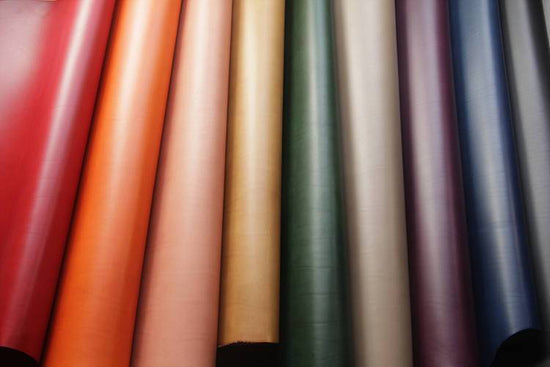
Buttero
Type: Vegetable tanned leather
Tannery: Conceria Walpier Tannery
Origin: Italy
Grain: Full
Feel: A nice balance between supple and firm
Character: Smooth finish, slower to patina
-
-
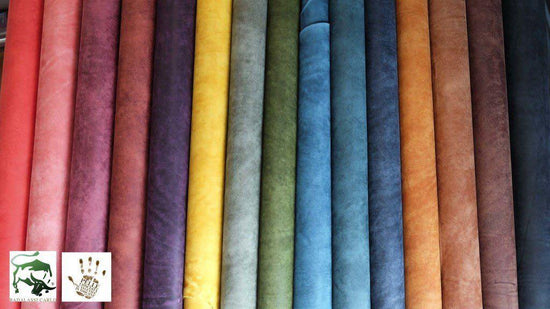
Pueblo
Type: Vegetable tanned leather
Tannery: Badalassi Carlo Tannery
Origin: Italy
Grain: Full
Feel: Supple with a small amount of firmness
Character: Unique rustic look that patinas as it ages
-
Shell Cordovan leathers we use
-
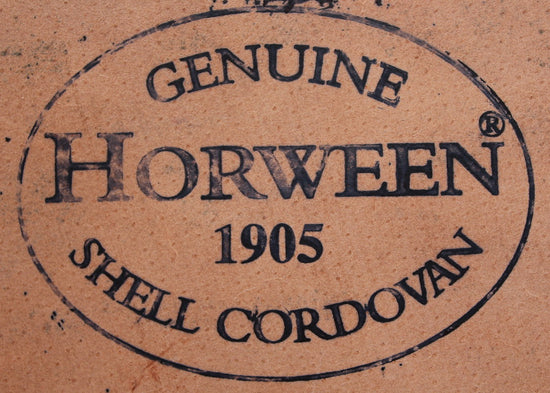
Horween Shell Cordovan
Type: Vegetable tanned leather
Tannery: Horween
Origin: USA
Grain: Full
Feel: Rich and glossy
Character: Aniline finish
-
-
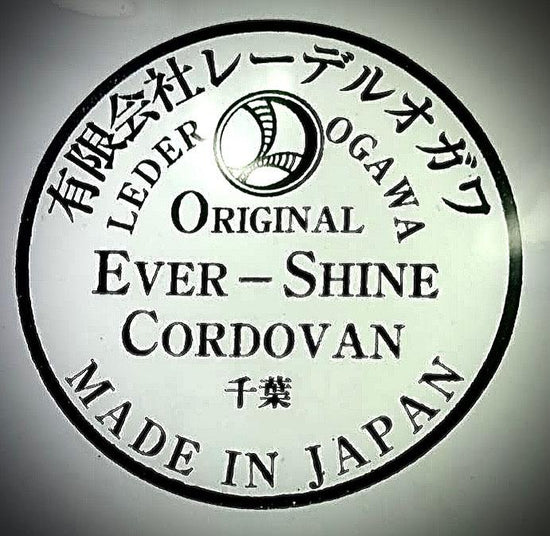
Leder Ogawa
Type: Vegetable tanner leather
Tannery: Leder Ogawa
Origin: Japan
Grain: Full
Feel: Rich and glossy
Character: Beautiful luster and transparency like crystal
glass-
-
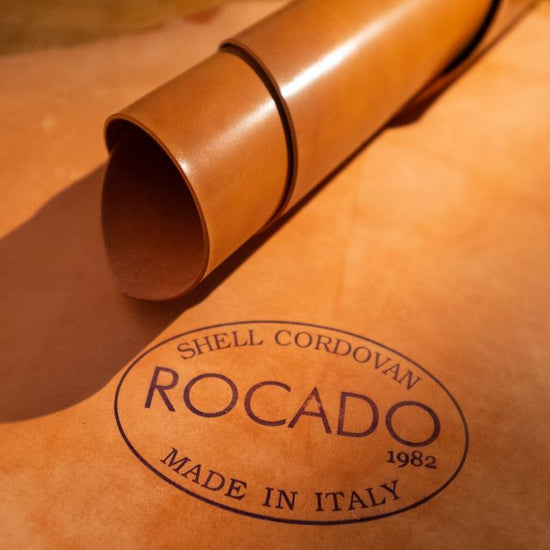
Rocado
Type: Vegetable tanned leather
Tannery: Rocado Tannery
Origin: Italy
Grain: Full
Feel: Rich and glossy
Character: Naturally water resistant, bright luster, non-creasing grain character and ability to develop and keep these
characteristics over time.-
Leather care
-
Smith's All Natural - leather balm
1. Ensure that leather goods are clean and dry.
2. Test small amount on a hidden patch of leather to preview results.
3. Start with a small amount. A little goes a long way.
4. Best applied by hand and massaged into leather, but a clean rag works also.
5. Leather will absorb the balm immediately Some leathers may darken slightly but return to their natural shade within 24 hours.
6. Repeat as necessary to protect, restore, and extend life of leather goods.