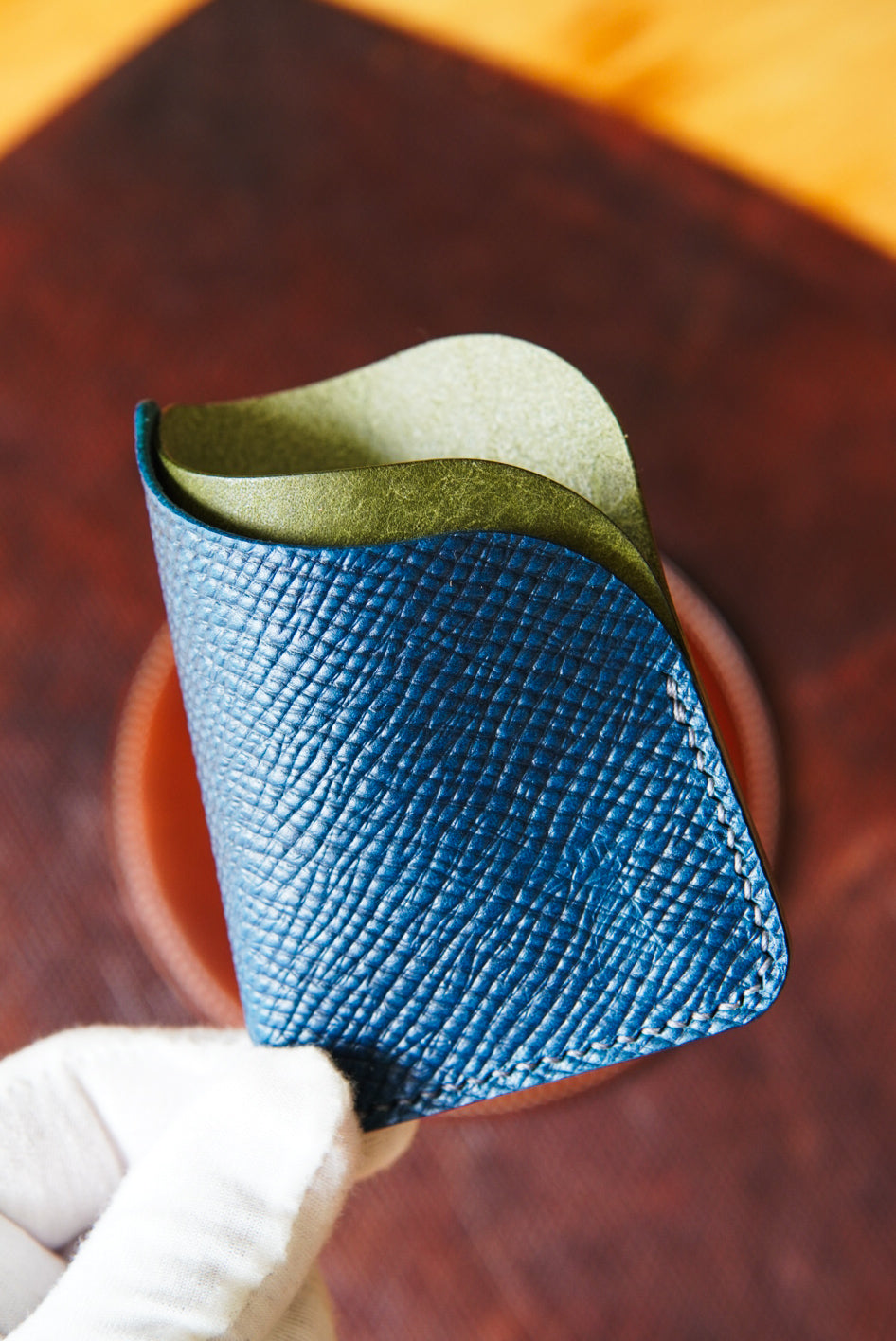
Ethical Leather: What Makes Leather Sustainable and Responsibly Made?
Leather has been used for thousands of years to make everything from clothing and footwear to bags and wallets. It's a material valued for its strength, character and ability to age beautifully.
But as more people think about where their products come from, an important question comes up: Can leather really be ethical and sustainable?
The answer isn't as simple as yes or no.
From how animals are raised to the tanning process, environmental impact and the lifespan of the finished product, there are several things worth considering.
As someone who works with leather every day at Lighthouse Leather Co., I believe understanding these materials is an important part of appreciating the craft.
What Is Ethical Leather?
Ethical leather generally refers to leather produced with consideration for animal welfare, environmental impact, working conditions and responsible sourcing.
There isn't one universally accepted definition of ethical leather, so it's important to look beyond marketing claims.
Some of the main considerations include:
-
Responsible sourcing: Understanding where hides originate and how they're obtained.
-
Animal welfare: Considering the standards under which animals are raised and handled.
-
Environmental responsibility: Managing chemicals, water use, waste and emissions during leather production.
-
Fair working conditions: Supporting safe workplaces and responsible labour practices.
-
Transparency: Being able to trace materials and understand how they're produced.
Ethical production isn't simply about the finished leather. It's about the entire process behind it.
Is Leather a By-product of the Meat Industry?
Much of the leather produced around the world comes from animal hides generated by the meat and dairy industries.
Rather than discarding those hides, tanneries can transform them into a durable material used for a wide range of products.
This can make use of a resource that might otherwise become waste.
However, describing leather as a by-product doesn't automatically make it sustainable or ethical. Hides have economic value, and animal agriculture itself has environmental and welfare impacts.
It's worth considering both the origin of the material and what happens to it afterwards.
Vegetable-Tanned Leather vs Chrome-Tanned Leather
One of the most important stages in leather production is tanning.
Tanning stabilises animal hides, turning them into a material that resists decomposition and can be used for years.
Two common approaches are vegetable tanning and chrome tanning.
Vegetable-Tanned Leather
Vegetable tanning uses tannins derived from plant materials, such as bark, wood and leaves.
It's a traditional process that can produce firm, beautiful leather with a distinctive character.
One of my favourite qualities of vegetable-tanned leather is how it develops a patina. With handling, sunlight and everyday use, the surface gradually changes, creating a finish unique to its owner.
I regularly work with Italian vegetable-tanned leathers such as Buttero and Pueblo, which have different textures, levels of firmness and ageing characteristics.
You can learn more about these materials in my Leather Guide.
Chrome-Tanned Leather
Chrome tanning commonly uses chromium(III) salts to produce leather that can be soft, flexible and consistent in finish.
It's widely used for footwear, upholstery, clothing and leather accessories.
Chrome tanning isn't inherently unethical, just as vegetable tanning isn't automatically environmentally friendly.
Both methods require careful management of water, chemicals, energy and waste.
The environmental impact depends heavily on how the tannery operates, how wastewater is treated and the standards followed during production.
The important distinction is responsible production, not simply the name of the tanning method.
Are Plant-Based Leather Alternatives More Sustainable?
Plant-based leather alternatives have become increasingly popular, including materials made using cactus, pineapple fibres and mushroom mycelium.
These materials offer interesting possibilities, particularly for people who prefer to avoid animal-derived products.
However, not every plant-based alternative is entirely natural or biodegradable.
Some contain synthetic coatings, binders or plastic-based components to improve strength and flexibility.
Their environmental impact depends on their full composition, manufacturing process, durability and how they're disposed of.
Traditional leather also has environmental costs, so neither material should automatically be considered the better option.
When comparing materials, I think it's important to consider how they're made, how long they'll last and whether they can be maintained or repaired.
Why Durability Matters in Sustainable Leather Goods
One of the things I appreciate most about quality leather is its longevity.
A well-made leather wallet can be carried for years, gradually developing marks and character from everyday use.
That doesn't mean every leather product will last forever. Construction, stitching, material quality and how an item is cared for all make a difference.
But making something that can be used, maintained and enjoyed for a long time is a worthwhile goal.
It's also one of the reasons I enjoy traditional leathercraft.
Instead of treating every mark as damage, I appreciate the way leather tells the story of how it's been used.
If you're interested in seeing how different leathers look in finished products, explore my handmade leather wallets.
What About Shell Cordovan?
Shell cordovan is a specialised leather made from a dense layer found within a horsehide.
It's known for its smooth surface, distinctive lustre and unusual ageing characteristics.
At Lighthouse Leather Co., I work with shell cordovan from tanneries including Horween in the United States and Rocado in Italy.
It's one of my favourite materials for small leather goods because of its unique appearance and the craftsmanship involved in working with it.
Shell cordovan is often associated with premium leathercraft, but that doesn't automatically make it more sustainable than other leathers.
As with any material, responsible sourcing, production practices and the lifespan of the finished item all matter.
You can read more about Horween, Rocado and other leathers I use in my Leather Guide.
How to Choose More Responsibly Made Leather Products
If you're considering buying a leather wallet, bag or accessory, there are a few useful questions to ask.
Where does the leather come from?
Look for information about the tannery, material and country of origin.
How was the leather produced?
Responsible tanneries should take wastewater treatment, chemical management and working conditions seriously.
How is the product made?
Good construction and thoughtful design can help an item remain useful for longer.
Can the product be cared for or repaired?
Leather that can be maintained may offer a longer useful life than something designed to be replaced frequently.
Does the maker understand the materials?
I think there's real value in buying from someone who can explain what they're using and why.
No single question tells the whole story, but together they can help you make a more informed choice.
My Approach at Lighthouse Leather Co.
I've spent years learning leathercraft, experimenting with different materials and developing the designs I enjoy making.
For me, a big part of the appeal is working with traditional materials and creating something carefully by hand.
I enjoy the differences between leathers, from the rustic texture of Pueblo to the smooth finish of shell cordovan.
I don't believe that simply calling something handmade or vegetable-tanned makes it sustainable. Those claims deserve more thought than that.
What I can speak to is my approach to the craft: choosing materials for their qualities, paying attention to construction and making products intended to be carried and enjoyed.
Whether it's a small cardholder or a more involved custom wallet, I want the finished piece to reflect the time and care that went into making it.
If you'd like to see what I make, take a look through my handmade leather wallet collection, or explore custom leather orders if you have something particular in mind.
Final Thoughts: Is Ethical Leather Worth Choosing?
Ethical leather isn't defined by one tanning method, material or certification.
It's about asking better questions and understanding the decisions involved in making a product.
Responsible sourcing, environmental management, animal welfare, craftsmanship and durability all deserve consideration.
For me, working with leather is about respecting the material, understanding its character and making something worth keeping.
And that's really what Lighthouse Leather Co. is about.
Nothing Beats Handmade.